Public money, private money: candidates should make the distinction visible
Our view: a popular name or compelling story should not replace financial records that allow citizens to scrutinize power.
An editorial argument. Its judgments are not official findings about candidates.
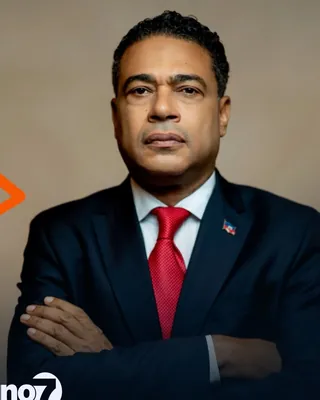
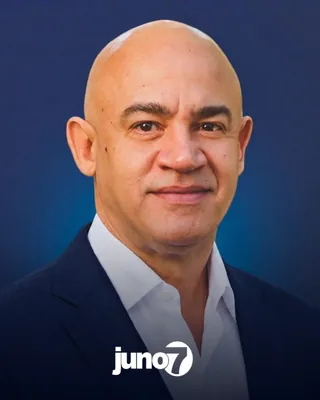
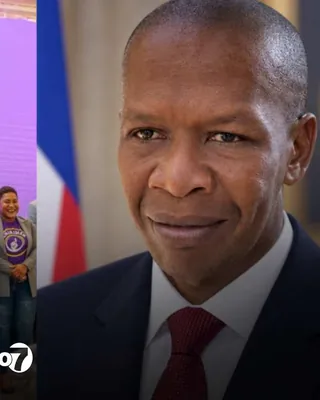
Tardieu’s own account of the Haiti–France scholarship launch names BRH as first-cohort financier. AIC’s 2022 financial results concern the company chaired by Olivier Barrau, not his personal fortune. These different examples share a need: identifying which actor supplies or holds which money. [1] [2]
In the 2023 armoured-vehicle donations to Muscadin, the question is ownership of an asset purchased by donors for a public mission. A handover photograph cannot settle it. That is not a diversion allegation; it concerns rules that must survive an official’s departure. [3] [4]
We advocate one clear standard: disclose business interests that may intersect with state decisions, identify relevant donors and financing partners, and make asset rules verifiable. This does not require exposing every relative’s private life. It requires records concerning the money and power the candidate seeks to manage.
Business ownership, allies or influential relatives should not create presumed guilt. A good reputation should not exempt anyone from scrutiny either. Public trust should withstand precise, fair verification under consistent rules. That is the standard we ask of candidates and ourselves.