Claude Joseph vs Jocelerme Privert: temporary power and deadlines
An acting premier in 2021 and a provisional president in 2016 held different offices. Both records raise questions about handing over power.
An examination of documented information, with interpretations clearly identified.

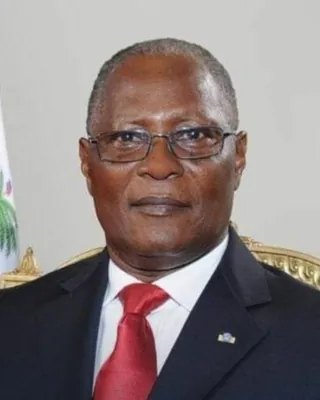
When authority is temporary, the public needs to know what ends it. A crisis may explain an arrangement without explaining its duration. Claude Joseph’s and Jocelerme Privert’s records involve different problems and a shared need for clear limits.
UN report S/2021/828 describes Claude Joseph’s cabinet after the July 7, 2021 assassination, its emergency measures and Ariel Henry’s installation on July 20. Joseph was acting prime minister, not president. He remained foreign minister after handing over the premiership. [1]
In 2016 the National Assembly elected Privert provisional president under an agreement allowing at most 120 days. The UN account describes the June 14 deadline and Parliament’s failure to decide on continuation. An absent decision cannot be presented as an unlimited mandate. [2] [3]
These political reports are not judgments validating every act. The crises differ; holding office after an assassination does not establish participation in it. This comparison concerns limits and handover, not a shared conspiracy.
For a future term, a useful commitment would explain deadlines, oversight and what happens if the timetable fails. Leaders who experienced temporary authority have particular experience to explain how it need not become an endless habit.