Etzer Emile vs Jerry Tardieu: who chooses the road, and who maintains it?
A large investment plan and a debate over departmental power meet at one question: how does a national decision keep serving a commune?
An examination of documented information, with interpretations clearly identified.

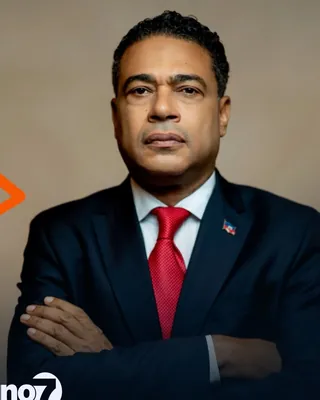
A road does not know the mayor’s or president’s party. But choosing its location, paying for maintenance and answering when it fails are political decisions. That is where Etzer Emile’s infrastructure programme meets Jerry Tardieu’s position on state organization.
Emile’s campaign assigns infrastructure US$15 billion within a US$30 billion programme. It proposes rehabilitating roads and protecting a multiyear maintenance line for each completed infrastructure project. It also promises project studies, reference prices and a public construction dashboard. These are campaign commitments, not verified funded contracts. [1]
In May 2025, Tardieu criticized proposed departmental governors. Juno7 reports his concerns about presidential rivalry, administrative costs and inequalities between richer and poorer departments. He defended a unitary state. That records his position in the debate, not the entry into force of a new constitution. [2]
The draft also warrants reading: article 68-6 requires collaboration with central government on development plans, and 68-8 requires accountability and reporting. Proposed autonomy cannot simply be described as an absence of oversight. A written rule, however, does not establish that funding and scrutiny would work in practice. [3]
For a commune, the questions belong together. Emile’s plan needs to identify who sets local priorities and answers for maintenance. Tardieu’s position needs to explain how a national decision centre would serve places with fewer resources. The comparison moves from budget size and system labels to decisions citizens can follow.