Etzer Emile vs Munir Mourra: doubling police is not doubling budgets
Two security proposals use doubling. One counts people; the other counts money. The outcome for citizens requires more than those figures.
An examination of documented information, with interpretations clearly identified.

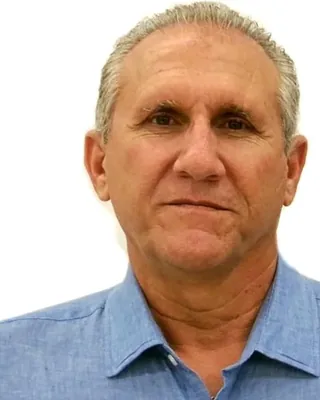
Someone awaiting help after an attack needs a team that can respond, investigate and move a case through justice. Etzer Emile’s and Munir Mourra’s promises emphasize resources, but count those resources differently.
Emile proposes moving from about 13,000 operational police officers to 26,000 by 2033. His programme calls for faster recruitment and training of 1,000–2,000 officers in the first 100 days, alongside recruit screening and sanctions for abuse. These are campaign targets, not additional officers we have verified in service. [1]
The MPH manifesto proposes increasing justice, police and army budgets by 100 percent. The party’s candidate page identifies Munir Joseph Mourra as the candidate carrying it. Increasing an amount by 100 percent doubles it. Without the starting budgets, however, it does not establish the amount going to each institution. [2] [3]
Doubling staff and doubling money are different measures. Recruits can replace departing officers. A budget can grow while fuel and equipment become more expensive. Authorized funds may never be spent. The word “double” therefore cannot establish a superior security score for either candidate.
Emile needs to show training costs, graduates and retention. MPH needs the baseline year, amounts and allocations among pay, operations, courts and prisons. Both face a common service test: response time, sound investigations, protection from abuse and cases reaching a judge. That is where resources must produce results.