Hans Joseph vs Lucmanne Delille: an investigation must reach a judge
A former ULCC head and a former justice minister held different responsibilities. Their records direct attention to the full justice process, beyond an investigation’s announcement.
An examination of documented information, with interpretations clearly identified.

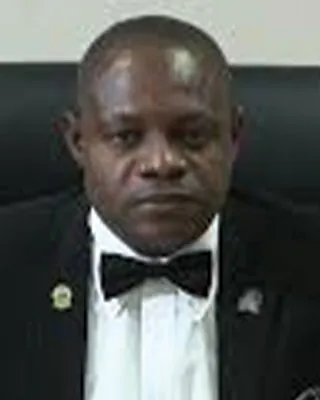
A case can make headlines when announced, then become impossible to follow. That problem provides a starting point for comparing former ULCC head Hans Joseph and former justice minister Lucmanne Delille. They held different posts; each institution’s work needs tracing.
In its 2025 study, Ensemble Contre la Corruption traced 166 referrals from ULCC and UCREF during 2005–2024. It located information on 95 but could not trace 71. Of the total, 96 came from ULCC and 70 from UCREF. These are not 166 cases personally directed by Hans Joseph: the period spans almost 20 years and two institutions. [1]
A human-rights coalition’s 2026 UN submission cites the study’s result: four judgments, including two convictions. An unlocated file is not proof that someone destroyed it to conceal a crime. It nevertheless shows why investigation totals cannot measure accountability on their own. [2]
For Delille, a specific decision appears in the record: his name as justice minister on the March 10, 2020 order recognizing police officers’ right to associate and organize in unions under legal conditions. Prime Minister Joseph Jouthe also signed. This establishes Delille’s participation, not sole authorship or a measured outcome for all police grievances. [3]
The institutional difference matters: ULCC investigates corruption; a justice ministry has other responsibilities in administering the system. Neither director nor minister is a judge; neither should order a conviction. Both candidates need to explain case tracking, protection for independent decision-making and public information on outcomes. That process can turn an announcement into justice.