Jean Ernest Muscadin vs Michel Martelly: public protection needs answers about power
A UN report about a prosecutor and U.S. sanctions against a former president are different records. They require distinct evidentiary paths and the same precision.
An examination of documented information, with interpretations clearly identified.
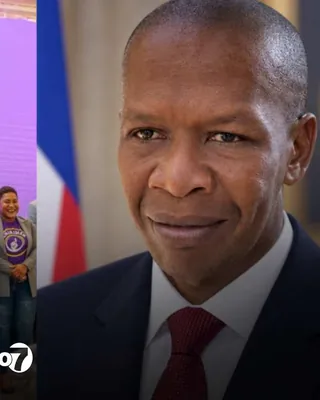
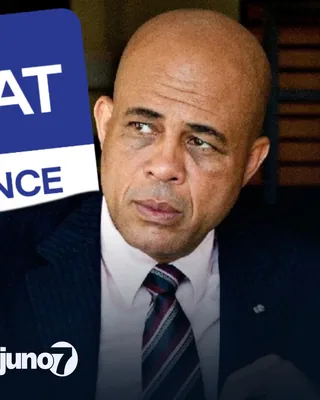
When a leader presents himself as protection against insecurity, the public must be able to examine his use of power. Jean Ernest Muscadin’s and Michel Martelly’s records raise that question in different ways: state force and influence over violent networks.
BINUH’s April–June 2026 report cites Muscadin’s possible involvement in at least 76 summary executions documented for 2022–2025, saying no judicial proceedings had begun against him for them. That is neither a three-month death toll nor a criminal judgment against the prosecutor. [1]
For Martelly, the U.S. Treasury announced sanctions on August 20, 2024 over alleged drug trafficking, money laundering and gang sponsorship. The action restricts U.S. financial-institution credit, certain foreign-exchange transactions and U.S. investment. It is an administrative NS-MBS action, not a criminal verdict or a blanket statement that all assets are frozen. [2] [3]
A violations report and a financial designation do not provide the same records or route to examining conduct. For Muscadin, scrutiny needs victims’ identities, circumstances of force and independent investigation. For Martelly, it needs transactions, intermediaries and responses to the attributed conduct. This comparison establishes no shared network between the candidates.
The absence of a conviction does not erase political questions; political questions do not replace a trial. Voters can seek the same commitment from both: scrutiny of personal conduct and supporters’ conduct. Security depending on personal loyalty without independent checks leaves citizens vulnerable when power changes hands.