Jerry Tardieu and Royal Oasis: following three different kinds of money
A loan, a foundation’s share purchase and a later share sale are different transactions. The hotel’s history shows why those distinctions matter.
An examination of documented information, with interpretations clearly identified.
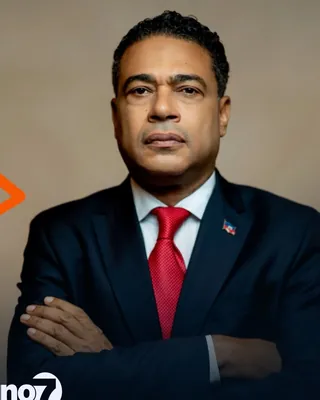
IFC’s 2011 annual report identifies Jerry Tardieu as Oasis Hotel’s chief executive. It describes an earthquake-interrupted project and a US$7.5 million loan that helped attract another US$15 million from investors. A loan carries a repayment obligation; it is not a grant. [1]
Clinton Bush Haiti Fund used another mechanism. A January 14, 2013 article published by TechnoServe says the fund invested US$2 million in Royal Oasis shares, later sold them and recycled the original investment into rebuilding the State University of Haiti’s science faculty. That does not establish repayment of IFC’s separate loan. [2]
For voters, this is more useful than saying he “received aid.” Tardieu ran a business that secured international financing. Assessing that record requires separating borrowed money, investment capital, announced jobs and independently verifiable results.
These documents do not establish Tardieu’s present shareholding, the hotel’s current debts or his campaign funding. They do not establish diversion of funds either. When business experience becomes a political credential, accounts should show what that experience delivered.