Jerry Tardieu vs Gary Bodeau: who controlled access in Parliament?
The 2019 record raises access to documents. U.S. sanctions against Bodeau raise a separate question about money and influence that must remain distinct.
An examination of documented information, with interpretations clearly identified.
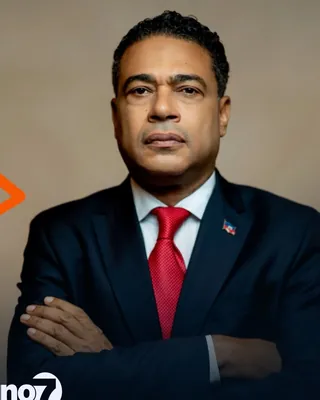

Parliamentary power lies in more than vote totals. It also concerns putting an issue on the agenda and providing documents before a decision. Jerry Tardieu’s and Gary Bodeau’s records in the 2019 debate over impeaching Jovenel Moïse illustrate that.
Tardieu asked Chamber president Bodeau to make requested documents available. Rezo Nòdwès reported Tardieu’s account of a commitment Bodeau had made. This establishes Tardieu’s demand; it does not prove Bodeau destroyed or deliberately concealed a particular document. [1]
UN report S/2019/805 records the August 22 vote: 53 against, three in favour and five abstentions. Opposition deputies challenged its legality because attendance fell below the 80-member quorum they invoked. These collective totals do not identify Tardieu’s personal vote. Rejecting the motion was not a criminal judgment validating every PetroCaribe transaction. [2]
A different record followed: in April 2023, the U.S. Treasury sanctioned Bodeau over alleged corruption in appointment votes in 2018 and 2019. Bodeau denied the allegations. This is not a criminal conviction, and the sources do not connect those payments to the impeachment vote. Merging the episodes would create an unproven link. [3] [4]
The documented difference concerns their roles: Tardieu sought access; Bodeau headed the bureau organizing Chamber business. For the first, scrutiny follows the request and his subsequent actions. For the second, it follows access rules, bureau decisions and his response to financial allegations. A useful comparison requires a record of each act, without assigning an unverified vote to one or an undocumented conviction to the other.