Jerry Tardieu vs Jude Célestin: after the financing, what assets and services remain?
A private hotel and public equipment are different records. Both show why financing figures need accounts of what they delivered.
An examination of documented information, with interpretations clearly identified.

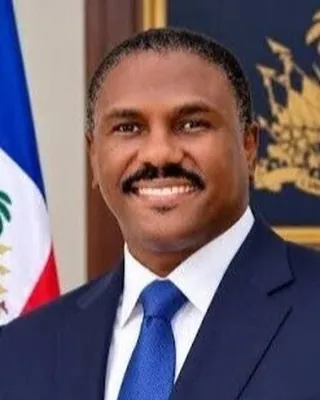
A large sum is not a performance record. Jerry Tardieu and Jude Célestin have records in different activities: financing a private hotel and purchasing equipment for a state institution. One figure cannot rank them. We can examine how to verify what remains after spending.
IFC’s 2011 annual report identifies Tardieu as Oasis Hotel’s chief executive. It describes a US$7.5 million loan helping attract another US$15 million from investors. Those are borrowing and investment capital, not a campaign donation or personal-wealth declaration. The report does not provide the hotel’s current accounts. [1]
The Senate commission’s 2016 PetroCaribe report examines CNE equipment, identifying Célestin as its head during the period. It cites a US$80 million allocation. A contract entry records 81 trucks out of 100, with US$2,565,000 deducted for the undelivered quantity. Calling those 19 trucks missing would erase the table’s adjustment. [2]
The commission raises a real limitation: it lacked an exhaustive CNE inventory to assess all the equipment and its existence. This is a parliamentary inquiry, not Célestin’s conviction. Similarly, a financier’s hotel account is not an independent audit of all its outcomes. [2] [1]
Assessing Tardieu requires separating borrowing, repayment obligations and business outcomes. For Célestin, contracts, payments, machine identifiers and maintenance must connect. Different paths lead to the same requirement: show the service the money produced. That makes management experience an electoral argument voters can check.