Tardieu and Barrau: two youth programmes, different missions
A proposed national guard and a civic-service corps are different institutions. Compare missions, command and participants’ rights first.
An examination of documented information, with interpretations clearly identified.
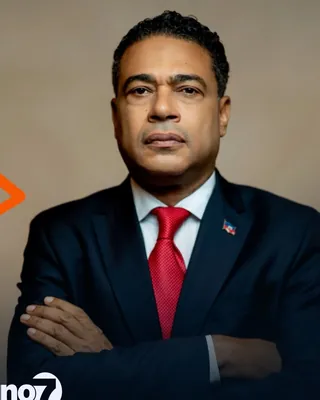

The word youth does not give programmes the same mission. Training and civic service differ from a force proposed to restore territorial control. Conflating them hides participants’ tasks and command.
Jerry Tardieu’s campaign proposes strengthening police and army and creating a youth national guard to recover armed-group-controlled territory. It is a proposal, not a verified established force. We add no entry age absent from the reviewed document. [1]
For Olivier Barrau, Juno7 describes a corps for ages 16–35 combining community service, sport, civics and vocational training. That source does not make it an armed force. Inclusion of 16- and 17-year-olds requires a distinct child-protection answer. [2]
Comparable design questions include selection, pay, supervision, complaints and institutional relationships. Security missions need force limits and command rules; civic service puts tasks, schooling and participant safeguards at the centre.
The debate is what young people undertake when enrolling, the risks they face and rights they retain. A credible programme should explain that in understandable language before anyone signs.