Marc Arthur Drouillard: what a 2016 footnote adds to the small vote total
An old result does not explain an alliance. The observers’ report adds another piece.
An examination of documented information, with interpretations clearly identified.
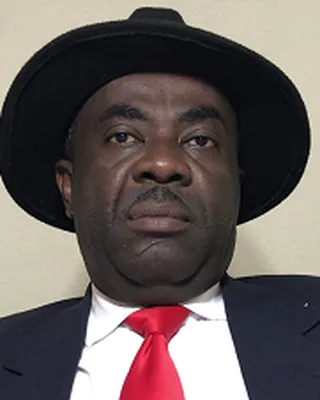
In the provisional-results annex of the EU report on the 2016 election, Marc-Arthur Drouillard has 978 votes. Earlier in the same report, a footnote says he withdrew in favour of Jovenel Moïse on September 27, 2016. [1]
Both facts can coexist. An announced withdrawal does not automatically remove a name from every electoral material or prevent votes for it. We do not use that provisional total as a measure of Drouillard’s support in 2026.
The useful issue is the political choice: why did he support Moïse then, what aims did he state, and how does he assess that decision now? A past alliance merits explanation; it does not establish a present alliance.
Another limit matters. Supporting a candidate in an election does not establish participation in others’ later conduct. Each allegation about an act requires its own evidence. A political relationship has a date and a specific meaning.
When tracing a career, the question extends beyond “how many votes?” to “whom did he help into power, why, and what did he learn?” The footnote makes the record more informative than a ranking alone.