Martine Moïse vs Dominique Dupuy: representing Haiti does not explain every power of an office
A 2018 health-coordination role and a 2024 ministry require separating public appearances, decisions and accountability.
An examination of documented information, with interpretations clearly identified.
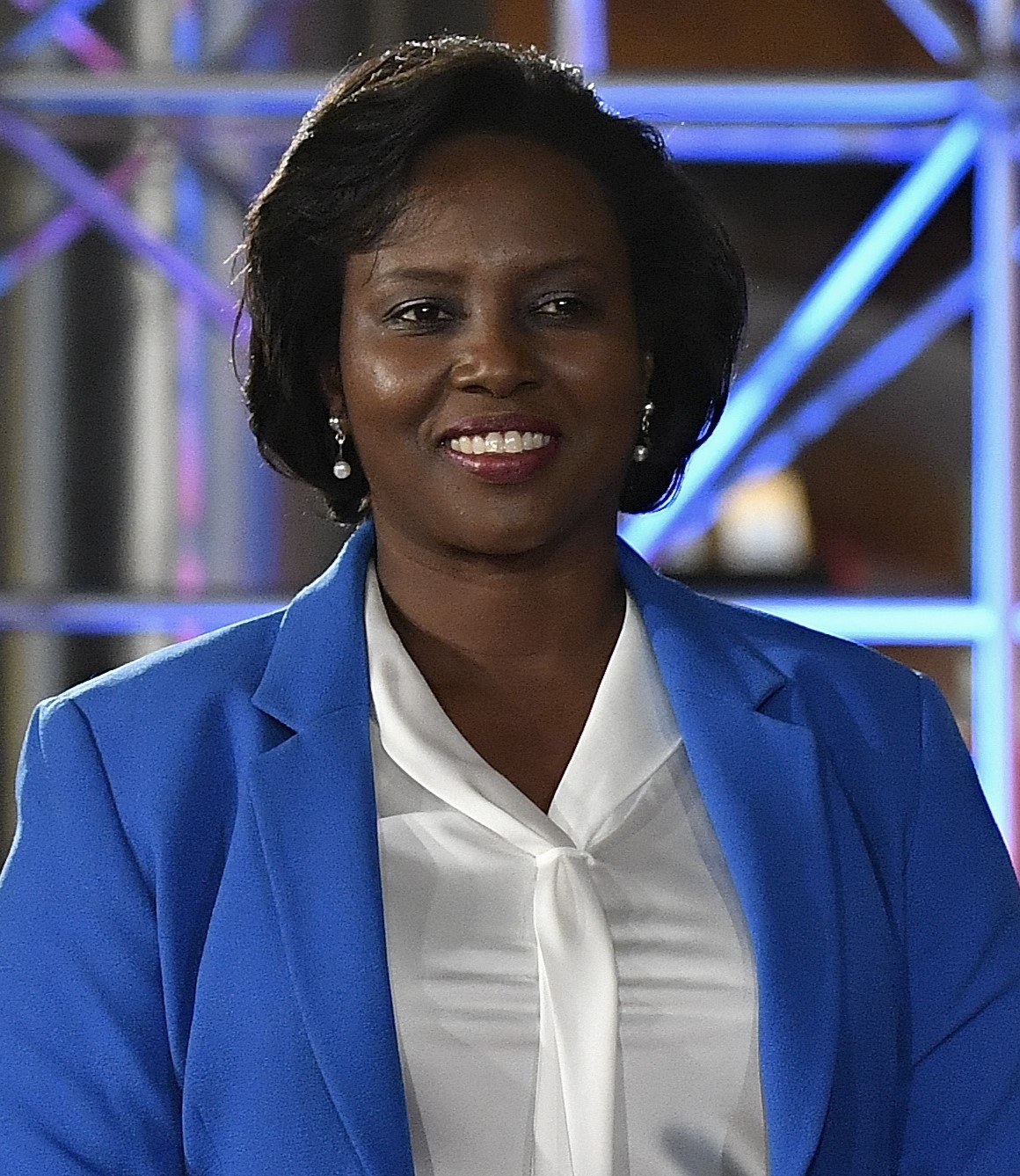
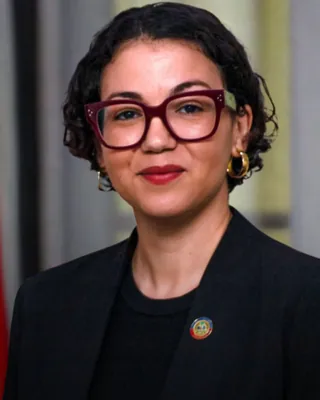

When someone speaks for Haiti abroad, a photograph does not establish their decision-making powers. Martine Moïse and Dominique Dupuy require scrutiny of mandates: who represents, who signs and who can change a service?
The Carter Center’s April 2018 release identifies Martine as first lady and chair of the Global Fund Country Coordinating Mechanism. The Fund describes committees coordinating funding applications and overseeing grants. That does not establish her management of all malaria programmes or partners’ expenditure. [1] [2]
In July 2024, as foreign minister, Dupuy defended diplomatic recalls as reform concerning competence and costs. Métropole reported more than 80 people affected, without a complete list during that appearance. It also identifies the Presidential Council’s role in ambassadorial appointments. [3]
These are different responsibilities. Martine’s record needs committee decisions, reports reviewed and corrections sought. Dupuy’s needs recalls connected to replacements, expenditure and consular-service delays. A committee title cannot simply be equated with a minister’s full authority.
A useful comparison follows a dated chain of responsibility: which decisions they could make, whose agreement was needed and what followed. That permits credit and accountability without treating an international photograph as an administrative record.