Michel Martelly vs Etzer Emile: follow school money into the classroom
A transfer-fee record and two budget targets show why money collected, authorized and spent must remain distinct.
An examination of documented information, with interpretations clearly identified.
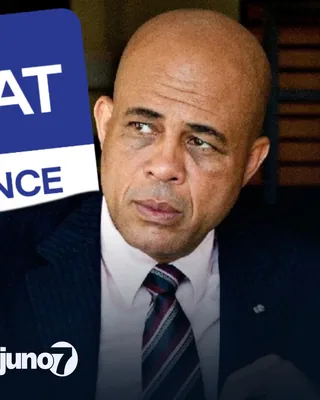

A parent needs an open classroom and a teacher present. Funding figures help when they explain how that service reaches a child. That chain provides a way to compare Michel Martelly’s record with Etzer Emile’s proposals.
Under Martelly, the central bank confirms a US$1.50 transfer fee effective June 1, 2011. A 2023 U.S. court decision recounts the education-funding promise. The audit court’s report records about US$120 million collected through the central bank and nearly US$118 million transferred to the Treasury during 2011–2018. [1] [2] [3]
That period extends beyond Martelly’s presidency. The table records about US$2.37 million remaining at its end; it does not call that missing money. Assessing the school promise requires connecting those receipts to spending, schools and children served. A Treasury entry is one step in the chain.
Emile offers a different kind of figure: education would receive 16 percent of public spending executed in 2029 and 22 percent of the national budget in 2033. The first measures actual spending; the second concerns the budget. The six-point difference cannot be treated as a measured improvement. These are campaign targets on different bases. [4]
The difference is between a revenue mechanism put into practice and a proposal for education’s share of state expenditure. Their common test is simple: how much comes in, is authorized, is paid and reaches children as services? The same annual table would let a parent compare a past promise with a new programme without mistaking money moving through accounts for teaching delivered.