Munir Joseph Mourra: who cares for the patient after the mobile clinic leaves?
MPH proposes modern hospitals, NGO coordination and mobile clinics. The challenge is making those tools work as a continuing service.
An examination of documented information, with interpretations clearly identified.
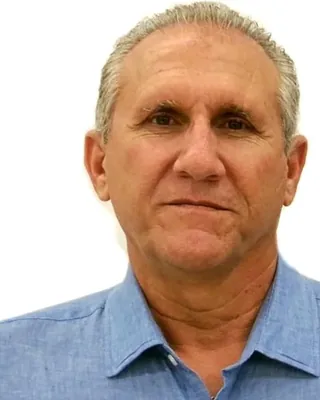
MPH’s 2026 manifesto sets out three health measures: modernizing State University of Haiti hospital centres, creating an NGO coordination network and encouraging mobile clinics in remote areas. These are proposals by Munir Joseph Mourra’s party, not services verified as already delivered. [1] [2]
The measures can complement one another. A mobile clinic can offer an initial consultation; a hospital can handle more demanding cases; a network can reduce fragmented work. The connections between services need organizing as carefully as each service itself.
Consider a hypothetical patient seen in a remote commune who needs a hospital test. A working plan must identify where to go, what the patient pays and who follows the result. Otherwise, an initial consultation can open one door without providing a route through the next.
The reviewed health section gives no separate budget, rollout timetable or patient-referral rules. That does not establish that other documents do not exist. It identifies what voters cannot yet measure from this manifesto: how many communes receive regular service and who answers for continuity of care. [1]