Munir Mourra vs Jerry Tardieu: partnership does not always mean the same contract
MPH’s proposed farm-distribution centres and Royal Oasis financing require separating loans, equity and state responsibility.
An examination of documented information, with interpretations clearly identified.
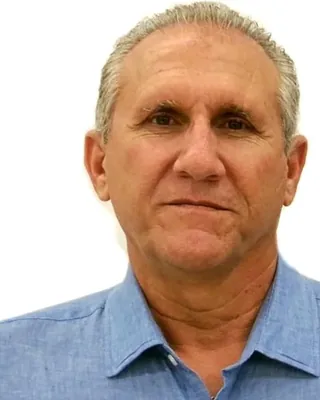
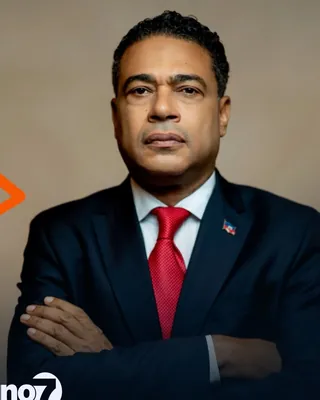
Partnership can make different money appear interchangeable. A bank lending to a hotel, an investor buying shares and a company operating a public service take different obligations. Munir Mourra and Jerry Tardieu provide reasons to follow the contract.
MPH’s manifesto carried by Mourra proposes agricultural distribution centres through public-private partnerships. It provides no verified contracts allocating ownership, fees or losses when revenue falls short. This is a proposal to examine, not an operating system. [1] [2]
IFC’s 2011 report identifies Tardieu as Oasis Hotel chief executive and describes a US$7.5 million loan helping attract US$15 million from investors. That does not establish Royal Oasis as a public-private partnership with the Haitian state. International financing does not turn every private deal into a public-service contract. [3]
The World Bank’s contract guide describes a long-term relationship between a public authority and private party with service and risk responsibilities. It is general guidance, not a ruling on either candidate. It shows why signatories, payment types and service-failure rules matter. [4]
Mourra needs to show farmers’ rights and limits on the state’s burden. Tardieu can show what business financing delivered and its obligations. An attractive word cannot explain who receives revenue and who pays when a project fails.