Opinion: a quiet neighbourhood is not proof of freedom
Election security should assess whether people can speak and resist coercion, including places with few reported incidents.
An editorial argument. Its judgments are not official findings about candidates.
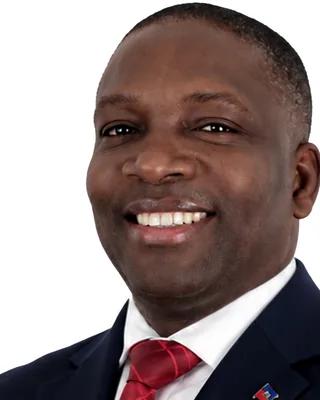

A neighbourhood where people do not speak is not necessarily one without fear. Coercion can keep residents quiet and reported incidents low. We believe freedom to act belongs in election-readiness assessment.
For Croix-des-Bouquets, BINUH’s July–September 2026 report warns that relatively limited victim figures do not establish improved security, linking the situation to gang control over residents. This is the report’s assessment, not a neighbourhood survey conducted by us. [1]
For elections, we would assess whether people can assemble without armed-group permission, choose a different candidate and complain without retaliation. These are proposed measures needing verification that does not endanger respondents.
Déus Deronneth seeks a results-based security timetable. Wilner Joseph emerged from a 2026 VIKTWA nomination. Neither position alone answers whether people disagreeing with them can participate with equal freedom. [2] [3]
A sound assessment would disclose its methods and limits while protecting vulnerable people. Less noise may be good news. Calling it freedom requires knowing whether residents remain able to say no.