Savannah Savary vs Jacky Lumarque: what remains after an activity about rights?
Savary’s writing workshops and a research library presented by Lumarque offer different resources to examine without treating an activity as a national outcome.
An examination of documented information, with interpretations clearly identified.
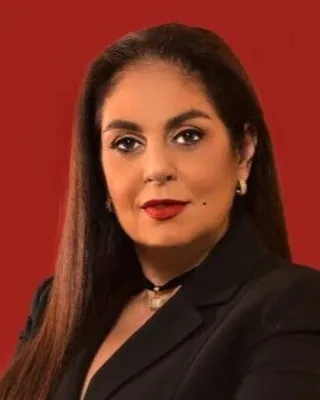
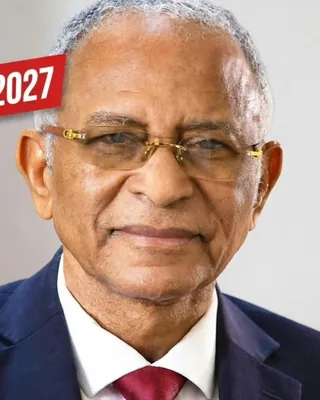
Learning to discuss rights is one step. Using that knowledge when a problem arises is another. Savannah Savary and Jacky Lumarque have public-education records allowing scrutiny of what remains after a workshop or speech.
A MINUJUSTH archive identifies Savary and Frankétienne as facilitators helping pupils write fables. It dates an eight-day workshop’s final day to July 3, 2018, with 18 Port-au-Prince schools participating. Themes included human rights, rule of law and security. This documents an activity, not effects on all Haitian youth. [1]
In his March 9, 2023 address, Lumarque presented Mouka, a documentary resource on gender and Haitian women’s rights. Its site offers research and publications. This is a verifiable institutional resource, not collective work attributed entirely to one person. [2] [3]
The workshop and library are different programmes and populations. One documents facilitation; the other provides a continuing resource. Assessing impact needs examples of pupils, teachers or organizations using knowledge in a decision or service.
As candidates, both can explain how that experience informs policy enabling citizens to understand rights and complaint routes. The comparison credits existing work while requiring evidence of larger outcomes. A right matters when a person can use it, beyond naming it.