Savannah Savary vs Jude Elie: who controls the business during a presidential term?
Inherited firms, declared businesses and a partner title require different records. The public issue is power over decisions affecting those interests.
An examination of documented information, with interpretations clearly identified.
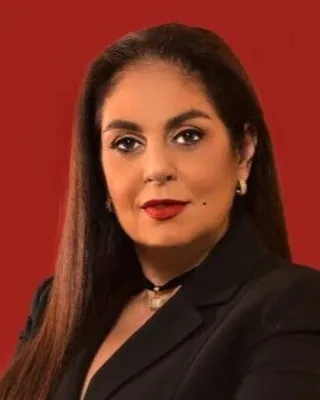
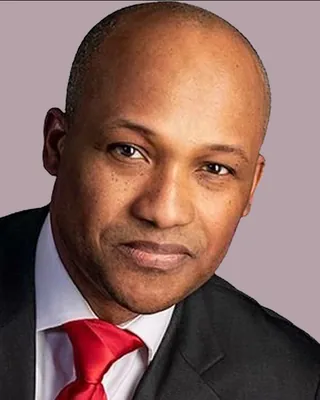
If a candidate’s business needs a permit or state contract, who decides while the candidate holds power? That concerns advance rules, not an allegation of favoritism in a particular contract. Savannah Savary and Jude Elie provide different starting points.
In an October 2026 Haitian Times interview, Savary describes inheriting Distillerie 1928 and Habitation Robert and cites more than 100 jobs. She withheld financial details for security reasons. This is her account; employment totals do not reveal all ownership interests, debt or profit. [1]
Elie’s own biography names construction, energy and petroleum-distribution businesses. Million Billion Group also presents him as an infrastructure and development-strategy partner. That title is not a shareholder register; the biography supplies no date making it a current asset declaration. [2] [3]
Savary needs a way to disclose interests without exposing private security details. Elie needs to distinguish ownership, partnership, advisory work and ended relationships. For both, a business title does not establish campaign financing. That link requires documented contributions or payments.
A verifiable commitment would identify business managers, decisions the candidate would step aside from and scrutiny of public contracts. That assesses entrepreneurial experience without treating inheritance as guilt or a polished biography as a guarantee of integrity.