Joanas Gué: when school closes, what happens to the child’s meal?
Local buying can support farmers and children. School closures show why meal totals do not answer every access question.
An examination of documented information, with interpretations clearly identified.
A school meal can support two households: the child’s and the farmer’s. But when school closes, that chain needs another route. This is an essential detail in local-purchasing policy.
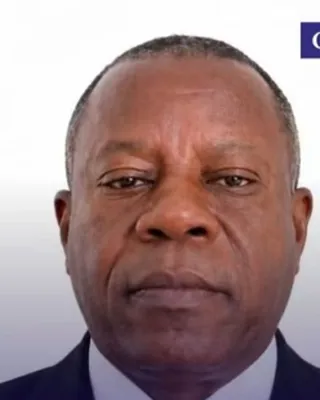
Joanas Gué advocated local purchasing for food programmes in 2010. That historical position deserves comparison with programmes operating today; it does not make him the author of every later school-feeding programme. [1]
The June 2026 PARSA paper reports nearly 25 million meals, over 157,900 children and local food purchases. It also explains how purchase prices and insecurity-related closures left funding to extend activities. A budget saving is not automatically a meal received. [2]
That does not establish that every child went without food on every closure day. The paper cannot describe every alternative household meal. It makes a question visible: how is food protection maintained when school doors cannot open?
A useful answer from candidate Gué would connect producers, storage, payment and delivery during disruption. The aim is not to blame a former minister for every current closure, but to make his experience answer how policy reaches a plate.