Joanas Gué vs Olivier Barrau: a harvest can be good while its market is closed
Mangoes barred from export and rainfall-triggered insurance concern different risks within farming life.
An examination of documented information, with interpretations clearly identified.
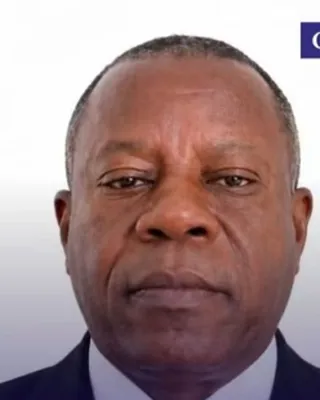

A farmer can save a harvest and still be unable to sell in the expected market. Production and market access differ. Joanas Gué’s 2007 mango record and Olivier Barrau’s AIC insurance experience help separate those risks.
In July 2007, mango exports to the United States were suspended after live fruit-fly larvae were found in shipments. Gué announced a July 19 restart for six plants. By July 31, Métropole reported another suspension and his announced 25-million-gourde state programme against infestation. [1] [2]
In 2022, AIC, whose report identifies Barrau as board president, participated in a WFP-partner insurance pilot for 4,990 smallholders. The described protection used excess-rainfall or rainfall-deficit measures, not a guarantee of all export-market access. [3] [4]
These are not presented as the same farmers, crop or programme. We do not claim an insurance contract promised a risk it excluded. The comparison shows distinct tasks: sanitary controls, processing, transport, sales contracts and financial protection after shocks.
Gué’s record needs evidence of sustained market access after announcements. Barrau’s needs payout results and coverage limits. For a candidate promising agricultural recovery, the shared question is which risks the plan addresses and which remain with producers.