Barrau’s 800 patients: what a clinic photograph cannot count
His own caption recognises the limits of mobile care. Patient totals and funding need a different kind of evidence.
An examination of documented information, with interpretations clearly identified.
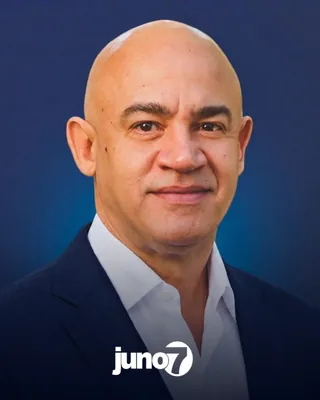
On October 6, 2026, Olivier Barrau’s account said several mobile clinics had brought care to more than 800 people. It thanked health workers and explicitly acknowledged that a mobile clinic cannot solve every health problem. [1]
Four reviewed images depict care-related activity, medicines and people wearing Fondation AIC clothing. They provide visual context for the announcement. They cannot independently verify the 800 total, whether people were counted twice or what happened after consultation. [1]
The distinction matters because a photograph answers a different question from a patient register. Visible activity supports an activity claim. A service total needs defined dates, locations and counting rules. A publication date is not automatically the treatment date.
Anonymous totals could show unique patients, services provided, referrals and follow-up. Financial records could show who paid, what the activity cost and how foundation, business and campaign funds were kept distinct. None requires exposing individual medical files.
The reviewed evidence does not establish false patient numbers, an improper payment or an undisclosed political exchange. It identifies what remains unverified. A useful service deserves recognition on the strength of its actual record, and a presidential programme needs evidence of how it would reach beyond occasional activities.