Jocelerme Privert: what happened after the 120 days
In 2016, a short timetable became a dispute over continued authority. Contemporary reports help separate the responsibilities.
An examination of documented information, with interpretations clearly identified.
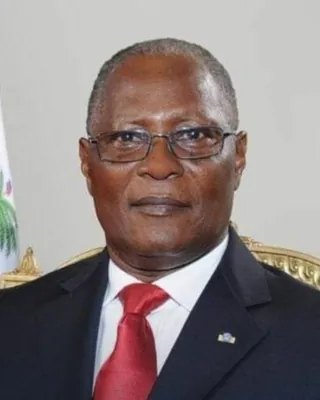
On February 14, 2016, the National Assembly elected Jocelerme Privert provisional president, with 77 votes against Edgard Leblanc’s 34, according to the UN report. The political agreement enabling Michel Martelly’s departure provided for a provisional presidency lasting no more than 120 days and a timetable to complete elections. [1]
The timetable broke down. Government formation was delayed, the April 24 vote did not occur, a verification commission examined the 2015 election and the CEP decided to rerun the presidential contest. Several institutions made consequential decisions; the entire delay cannot be explained as one Privert decision. [2]
The August 31 UN report says the 120-day term expired June 14. Despite several attempts, the National Assembly had failed to vote on arrangements for continued executive governance. The Secretary-General urged it to act. That describes unresolved political authority, not a court ruling validating an extension. [2]
For voters assessing Privert’s return, the issue extends beyond whether elections eventually occurred. It concerns what a leader does when authority reaches its deadline: the basis for remaining, the scrutiny accepted and the route out of deadlock. A transition record involves both completing the mission and respecting its limits.