Michel Martelly vs Jocelerme Privert: two presidents, different accountability tests
Martelly’s school promise and Privert’s transitional mandate are different records. Comparing them requires separating money, authority and deadlines.
An examination of documented information, with interpretations clearly identified.
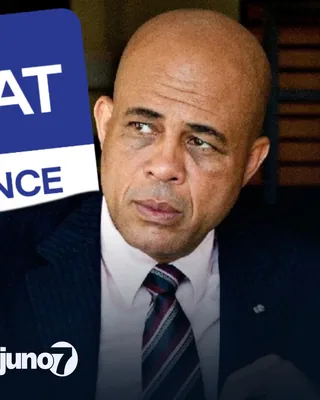
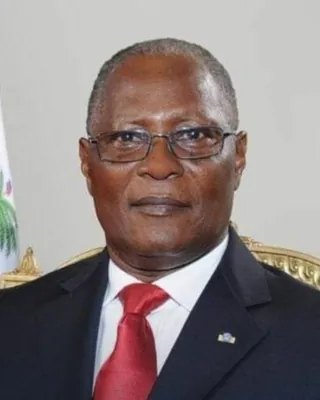
A former president must explain what he did with the power he already held, as well as what he promises next. Michel Martelly and Jocelerme Privert face that test in different circumstances: a programme launched by one president and a provisional mandate to resolve an electoral deadlock.
Under Martelly, the central bank confirms a US$1.50 transfer fee effective June 1, 2011. School funding was central to the promise. For 2011–2018, table 59 of the audit court’s report records about US$120 million collected through the central bank, nearly US$118 million transferred to the Treasury and about US$2.37 million remaining at the period’s end. [1] [2] [3]
That account does not mean US$2.37 million disappeared. Nor is it Martelly’s personal balance sheet: the period extends beyond his presidency. The political test is tracing receipts through expenditure to schools and children served. A Treasury transfer is not, by itself, a school place.
Privert received a different mission. The National Assembly elected him provisional president on February 14, 2016, for no more than 120 days. The UN report says the term expired June 14 and Parliament failed to decide arrangements for continued executive governance. Several institutions contributed to electoral delays; not every delay came from a single Privert decision. [4] [5]
The comparison is not simply who left more money behind. Martelly’s test follows the chain from family fees to services received. Privert’s concerns the authority exercised, its deadline and the scrutiny he accepted. Neither a social promise nor a transitional mission removes the obligation to demonstrate results and respect limits on power.