Savannah Savary: inherited businesses and the power she seeks
Sugarcane, kleren and land form part of her story. Her account of the family businesses opens a question about private interests and public decisions.
An examination of documented information, with interpretations clearly identified.
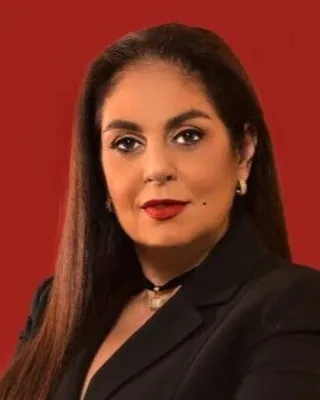
Savannah Savary does not present herself as a newcomer to business. In an October 2026 Haitian Times interview, she describes inheriting Distillerie 1928 and Habitation Robert and says the enterprises employ more than 100 people. That is her reported account, rather than an independently verified employment total. [1]
The interview identifies her father as agricultural entrepreneur and political participant Philippe Savary and her mother as merchant Soad Chamy Savary. It places her father in the political movement of 1946. That supplies family history; it does not establish who controls her campaign today. [1]
Savary declined financial details, citing fear of becoming a target. That security concern deserves respect. At the same time, an employment claim does not reveal a company’s profit, debts or other ownership interests. [1]
That is where the presidency enters the story. Voters need to understand who would run a president’s businesses during the term. If a connected company sought a State contract, who would decide? How would competing businesses receive an equal chance?
This record establishes no such contract. The point is to make the rules clear beforehand. Production experience can serve the country; voters should be able to trace where business interests end and State decisions begin.