Clarens Renois vs Junior Salomon: what oversight remains when allies hold power?
A signature on the 2024 pact and an OPL protest in 2025 show why political accountability needs more than ally or opponent labels.
An examination of documented information, with interpretations clearly identified.
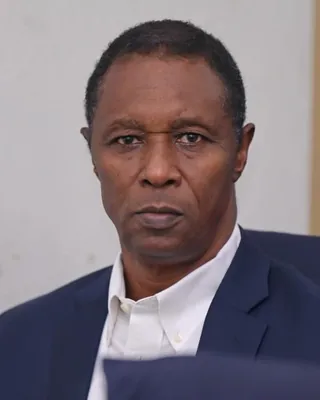
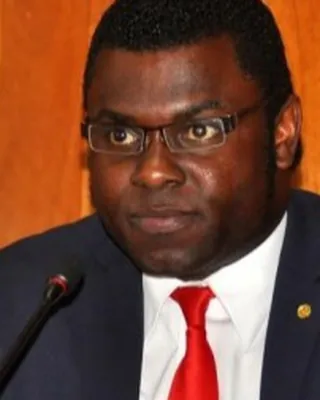
A leader can participate in an agreement without running the resulting government. A party member can protest an institution that includes another figure from the same party. Clarens Renois’s and Jean-Marie Junior Salomon’s records illustrate those situations.
Renois’s signature appears on the April 2024 pact for the Collective of Political Parties of January 30, 2023. The pact assigned Edgard Leblanc Fils the collective’s Presidential Council representation. Renois was not that member. His signature nevertheless supplies a basis for examining the commitments he supported and his follow-through. [1]
In July 2025, Rezo Nòdwès reported an anti-CPT demonstration in Les Cayes involving Salomon and OPL members. It chiefly quotes participant Hervé Saintilus, who criticized Leblanc, another OPL figure on the council. We do not assign Saintilus’s every statement to Salomon or treat protest participation as proof of severed political ties. [2]
That makes decision records important. Renois’s record needs his positions on the pact’s commitments and oversight mechanisms. Salomon’s needs the mandates and party decisions explaining his position. A party collective, its council representative and every individual in a party are not one actor.
The comparison does not transfer Leblanc’s actions to either candidate. It examines how politicians make their relationship with power visible: what they authorized, challenged and demanded in response. Those records allow accountability to continue when an ally holds a place in government.