Clarens Renois vs Maxo Joseph: a church agreement does not own anyone’s vote
They participated in the same political process in 2015. Later records show why alliances need dates and support networks must be distinguished from voters’ rights.
An examination of documented information, with interpretations clearly identified.
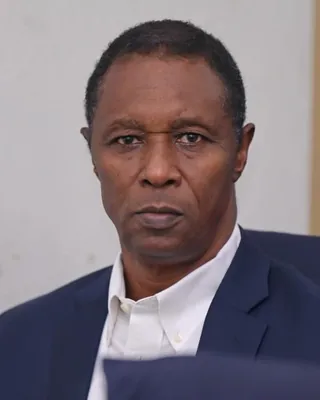
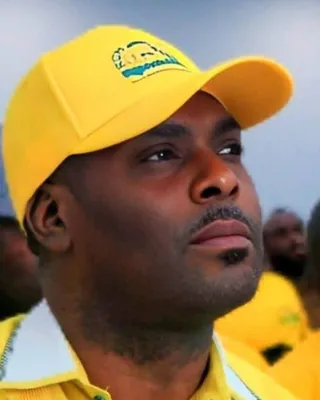
Two people can come from the same religious milieu without proposing the same direction for the country. For Clarens Renois and Maxo Joseph, a 2015 negotiation supplies a documented political connection. It does not permit treating all Protestants as one electoral bloc.
According to Rezo Nòdwès’s September 2015 report, a facilitation committee headed by pastor Gérald Bataille selected Renois after negotiations among seven candidates. Maxo Joseph participated in the agreement. An initial stage retained three names before the final choice went to Renois. [1]
That shows an effort by leaders to consolidate candidacies. It does not show every church or believer participated, or establish that all other candidates removed their names from the ballot. Signing an agreement, endorsing someone and withdrawing a candidacy are different acts. [1]
A later record places Renois in another role: his signature appears on the April 2024 political pact for the Collective of Political Parties of January 30, 2023. Its council representative was Edgard Leblanc Fils, not Renois. The signature does not automatically make Renois responsible for every council decision; it allows scrutiny of the political commitments he supported. [2]
The checked CEP registry records Renois under UNIR AYITI INI and Maxo Joseph under RCH. The 2015 agreement does not establish a continuing alliance. Our reviewed sources supply no equivalent transition pact for Maxo; that does not prove he had no political relationship with the transition. [3]
Comparing them today requires each person’s programme, financing and commitments. A network can help a candidate reach voters. It cannot serve as evidence that voters have already consented. The vote belongs to the citizen, even when a religious leader makes a choice.