Walsonn Sanon vs Clarens Renois: rejecting one pact, signing another
The agreements and years differ. Their positions allow scrutiny of participation in transitional decisions and how leaders account for those choices.
An examination of documented information, with interpretations clearly identified.
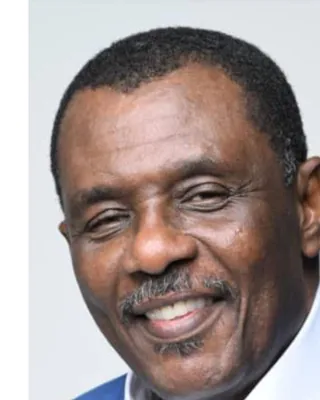
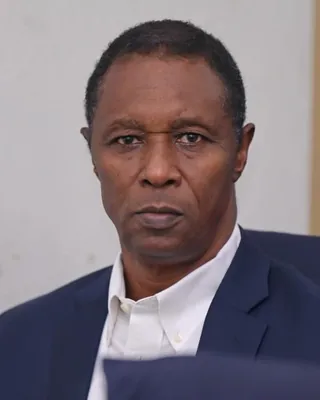
Signing an agreement does not establish legitimacy for everyone; rejecting one does not automatically reject dialogue. Walsonn Sanon’s and Clarens Renois’s records show why a political position’s conditions matter alongside photographs of signatures.
In Scoop FM’s December 27, 2022 interview, Sanon, then SOLID’s leader, rejected the December 21 agreement. He said his organization’s reservations had received promises of revision, but he learned through social media that signing would proceed. He also criticized Mirlande Manigat’s selection in the High Transition Council. This is his account of the process. [1]
Renois appears as a signatory to a different pact: the April 2024 agreement, for the Collective of Political Parties of January 30, 2023. Edgard Leblanc Fils, not Renois, was its Transitional Presidential Council representative. The pact prioritized security, reform and elections, with implementation-monitoring mechanisms. [2]
The High Transition Council associated with the 2022 agreement differs from the 2024 Presidential Council. Comparing these records does not place Sanon and Renois on opposing sides of one text. Renois’s signature does not make him the author of every council decision; Sanon’s criticism does not prove his own party is open to all its members.
The common test concerns participation: who selects representatives, how disagreement is recorded and who can demand explanations after failure. Both can show what they required of the transition and what their own organizations practise. That lets consensus become a process citizens can follow rather than a word leaders invoke.