Etzer Emile vs Olivier Barrau: after a loss, who carries the cost?
A loan can start or expand an activity. Insurance can help after a shock. Comparing these records means following risk as well as announced money.
An examination of documented information, with interpretations clearly identified.

Consider a hypothetical small business: it borrows, buys equipment, then a disaster stops it operating. The loan helped it start; that does not explain repayment after the loss. Those two moments provide a way to examine Etzer Emile’s proposals and Olivier Barrau’s insurance experience.
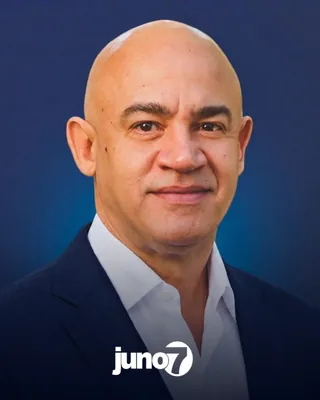
Emile’s campaign proposes interest-free loans of one million gourdes each for 5,000 projects, alongside a guarantee fund in the first 100 days. That gives five billion gourdes in loan value. A guarantee can facilitate lending, but rules must specify the losses borne by bank, state and borrower. [1]
In a separate record, WFP reports a 2022 insurance pilot launched with AIC and other partners for 4,990 smallholders in 11 communes. AIC’s report identifies Barrau as board president that year. Coverage depended on rainfall measures, with a maximum of about US$900 per farmer divided between excess rainfall and rainfall deficit. [2] [3]
These are separate programmes and different kinds of record. AIC’s activity does not, by itself, constitute Barrau’s presidential programme. The US$900 ceiling is not a payment received by every participant. IFC explains a risk in this insurance design: the payment trigger may not match an individual’s actual loss. [4]
The comparison connects financing to protection. Emile’s guarantee needs clear rules for projects unable to repay. Assessing Barrau’s experience needs payouts, delays and uncovered losses. Access to money is one step; helping an activity survive a shock is another.