Martine Moïse and malaria: what became of the 2020 goal?
In 2018, she backed malaria elimination. Health data for 2025 show the disease persisted. They raise a policy-continuity question without assigning one person all national outcomes.
An examination of documented information, with interpretations clearly identified.
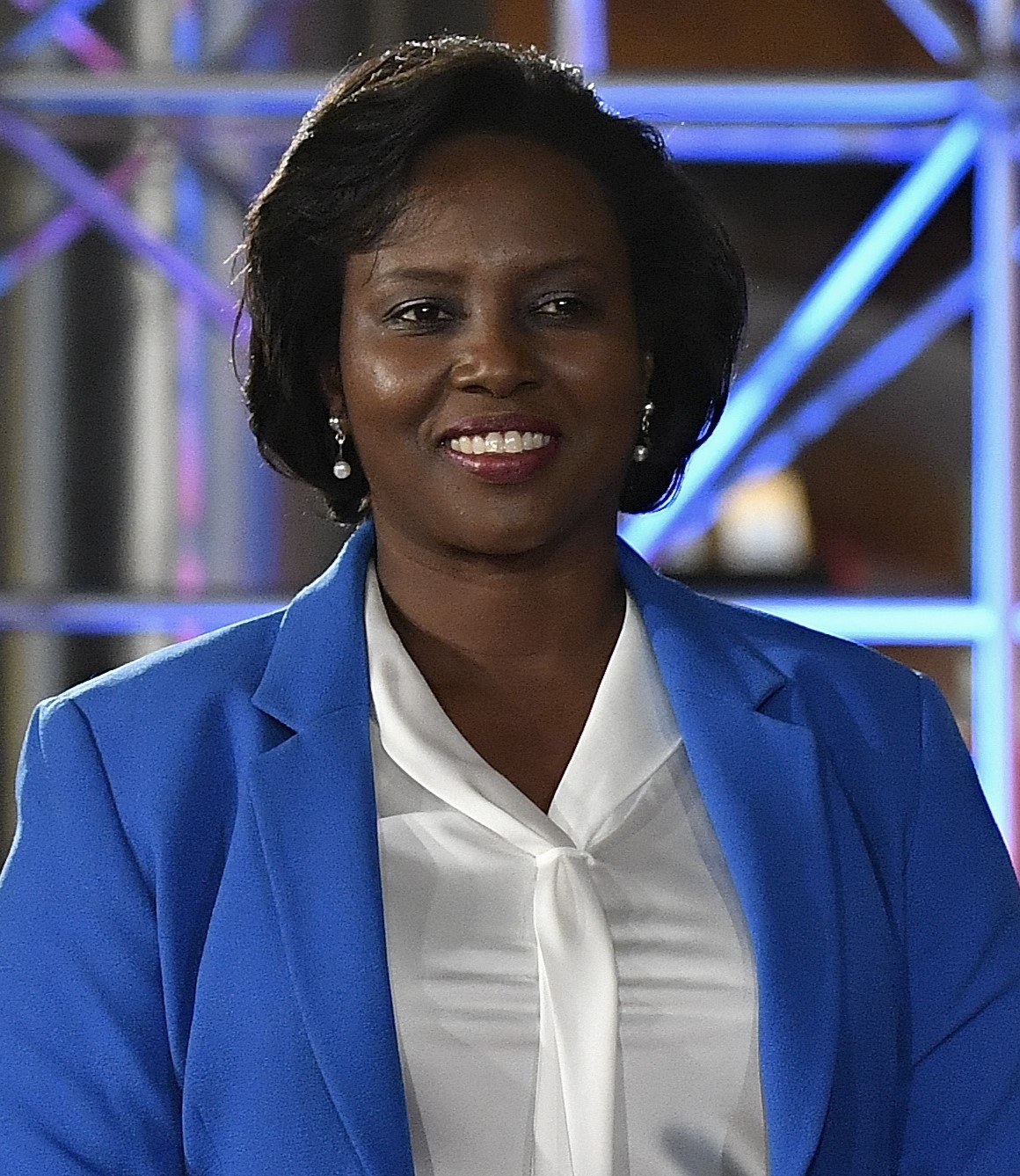

In April 2018, the goal was clear: eliminate malaria in Haiti by 2020. A Carter Center release on World Malaria Day places Martine Moïse alongside officials and health partners supporting that commitment. This part of her public record deserves examination alongside the controversies. [1]
The release presents her as more than the president’s wife: it identifies her as chair of the Global Fund’s Country Coordinating Mechanism. That role matters and needs defining. The Global Fund describes committees coordinating funding requests and overseeing grants; this does not make the chair manager of every expenditure or director of all health programmes. [1] [2]
MSPP’s 2025 table shows malaria still present: it records 36,465 new confirmed cases. Grand’Anse accounts for 20,687 and Sud for 12,222, together about nine in ten of the table’s cases. These are cases the system confirmed, not all existing infections. The figures concern 2025, not 2026. [3]
These documents do not establish that Martine caused those cases or that money was diverted. They cannot assess all her individual work. The 2018 release also places the health ministry at the head of the Malaria Zero effort with multiple partners. Their activities cannot be merged into one grant or one first-lady decision. [1]
They do yield precise candidacy questions: during her committee tenure, what oversight reports did she receive, what obstacles did she identify and what corrections did she seek? Answers need dates, meeting minutes and outcomes, beyond a ceremony photograph. For a family in Grand’Anse, the political question is simple: what testing and treatment remain when the ceremony ends?