Opinion: scrutiny of a contract needs people able to question it without threats
Dermalog has another documentary trail: protection of those who criticized it. That does not permit inventing the threats’ authors.
An editorial argument. Its judgments are not official findings about candidates.
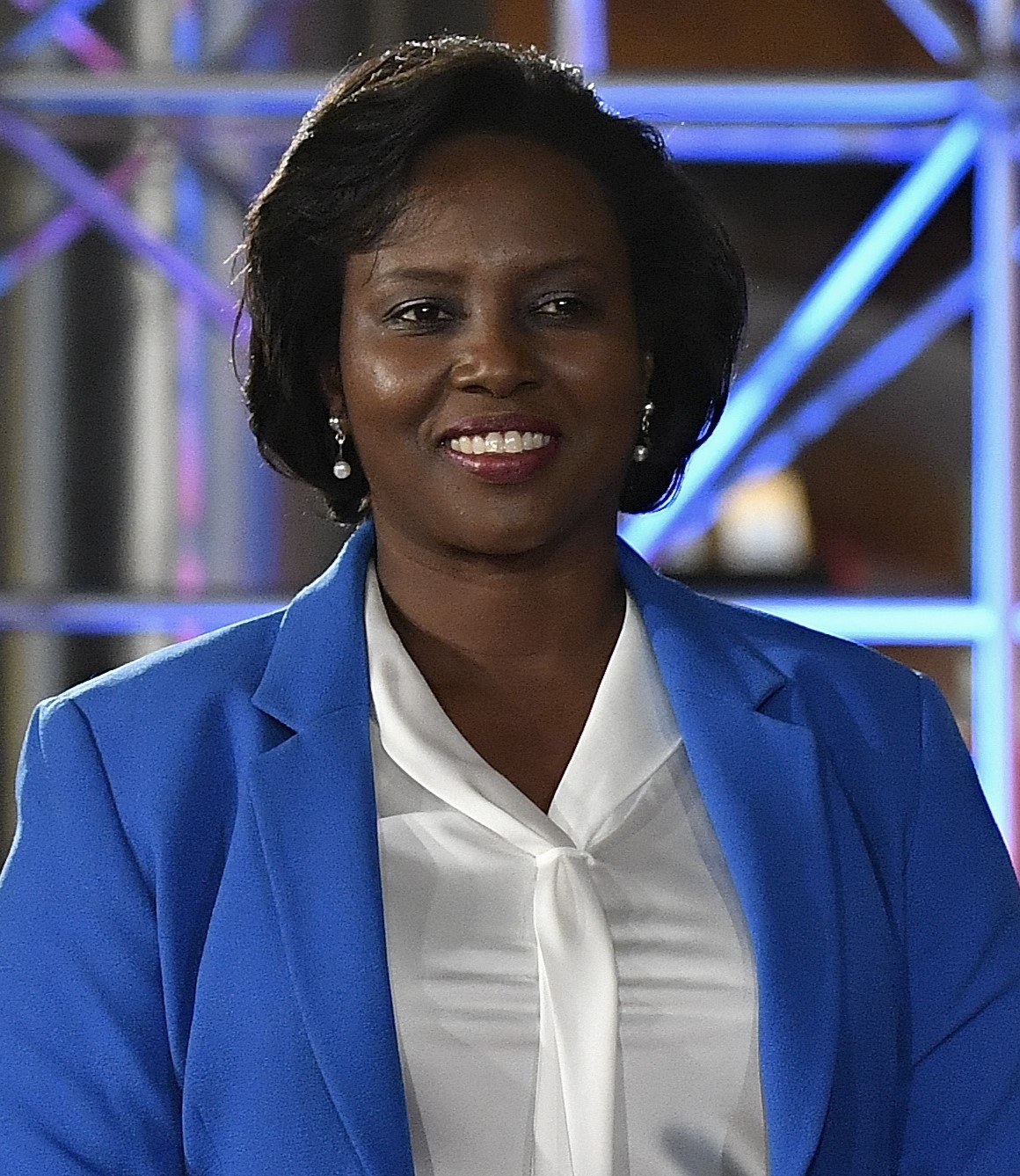

When a state contract is contested, the public needs more than competing media accounts. People must be able to complain, provide information and answer justice without fearing for their lives. That protection serves complainants and accused people alike by allowing evidence to be examined.
In their February 5, 2021 communication, UN experts relayed threats against Camille Occius after his Dermalog criticism and actions. They requested state information on investigation and protection. The letter describes unidentified perpetrators. We attribute the threats to neither Martine Moïse, the company nor another candidate. [1]
There is also a specific decision: IACHR resolution 74/2021, dated September 4, 2021, requests Haiti to protect Occius, enable his work and report on investigation. The Commission considered the risk serious and urgent on its initial assessment. It specifies that the measure does not prejudge rights violations or individual guilt. [2]
We lack a complete record of later implementation. We also retain Martine’s office’s denial of influence over the contract. Her right to defend herself and a critic’s right to remain safe are compatible. Both require a functioning documentary process. [3]
Our view is that candidates should protect those examining contracts even when criticism is inconvenient. That requires independent complaint channels and verifiable follow-up. Otherwise the public may never learn whether a contract was sound; it may learn only who was most afraid to speak.