Olivier Barrau’s youth corps: who selects and who pays?
A foundation event differs from a national service that must serve all citizens.
An examination of documented information, with interpretations clearly identified.
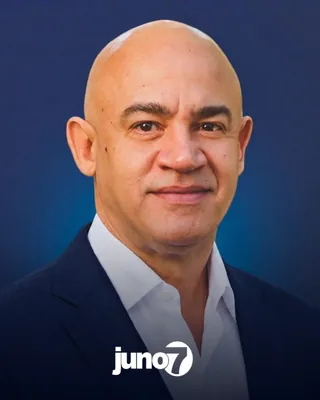
In September 2026, the AIC Foundation organized youth training in Jacmel. A month later, Juno7 reported Olivier Barrau proposing a youth corps for ages 16–35: a three-year pilot covering community service, sport, civic education and vocational training. [1] [2]
The activities share a public interest in youth training. These sources do not establish that foundation resources bought votes or that a national programme already exists. Those conclusions would require examination of funding and rules.
An important change occurs when an idea moves from a foundation to the state. A public service needs contestable selection rules, traceable funding and access independent of party participation. Being able to organize an event does not itself answer those questions.
For a young jobseeker, the programme should explain pay, training length and recognition of acquired skills. For a 16-year-old participant, protection rules and the relationship with schooling also matter.
Attendance at a launch is not the strongest measure. What participants can do afterwards matters: a skill, income or lasting community service. That is where the promise needs a timetable and public accounts.