When examining a candidate’s family, follow the exercise of power
Our view: inheritance, appointments and business interests merit precise scrutiny. Kinship does not establish guilt.
An editorial argument. Its judgments are not official findings about candidates.


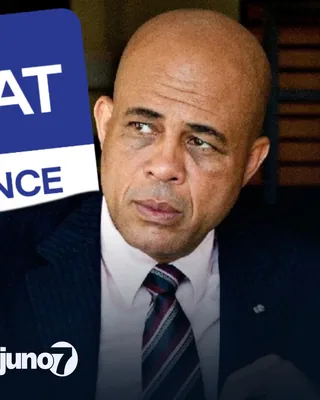
Savannah Savary described inherited businesses to The Haitian Times. Reuters described Charles Saint-Rémy as Michel Martelly’s brother-in-law and adviser. These are different relationships: economic background in one case, kinship combined with a political role in the other. [1] [2]
Useful scrutiny begins where relationships meet public authority: appointments, state business and decisions affecting connected interests. Who decided, and what rules prevented personal interests from shaping the decision? Those are questions documents can answer in the public interest.
A long family tree without decisions, contracts or interests to trace can supply names without explanation. It can also expose children or uninvolved relatives to political conflict. Examining an appointment or contract does not require every detail of private life.
Family privacy should not conceal official roles either. When a relationship affects public assets, money or decisions, citizens deserve an explanation. Scrutiny should go far into the records while treating people fairly: establish each connection, explain its consequences and never make guilt hereditary.