Martelly and the Bautista contracts: the story began before his term
Contract dates and later decisions matter. They allow responsibility to be traced without assigning every transaction to the same president.
An examination of documented information, with interpretations clearly identified.
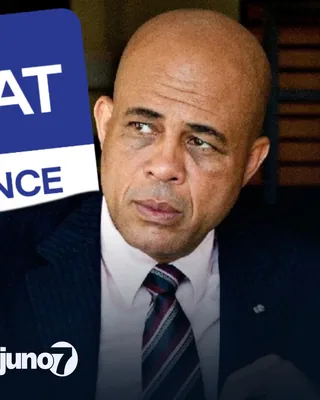
According to the Senate commission’s 2016 PetroCaribe report, six major contracts with companies linked to Félix Bautista were signed on November 8, 2010. They covered Parliament and housing at Bowenfield and Fort National, worth about US$348 million. That is a contract value, not an established sum of missing money. [1]
Michel Martelly took office on May 14, 2011, after those initial contracts. The report also describes decisions to retain or modify contracts after the change of government. Inheriting a contract and deciding to continue it are different moments in the same chain of responsibility. [1]
In 2018, the US Treasury sanctioned Bautista and five companies, including Hadom and Constructora Rofi. It alleged reconstruction-related corruption and cited a company receiving more than US$10 million for unfinished work. The release does not identify a Haitian president receiving that money. [2]
Bautista disputed corruption allegations in litigation discussed by a US court in 2021. The opinion we reviewed dismissed four claims concerning State Department entry restrictions; it was not a criminal judgment about Haiti’s contracts. His name remains in the OFAC sanctions snapshot checked November 15, 2026. [3] [4]
Assessing Martelly’s record means identifying who authorized each continuation, change and payment during his term. Original contracts, later signed amendments and completion reports must be read together. A company name or sanctions designation cannot replace that chain of evidence.