Martelly’s son and the 2016 order: a file not ready for judgment
A headline about a clearance request does not tell the whole decision. The Olivier Martelly record shows what the court decided and what it left open.
An examination of documented information, with interpretations clearly identified.
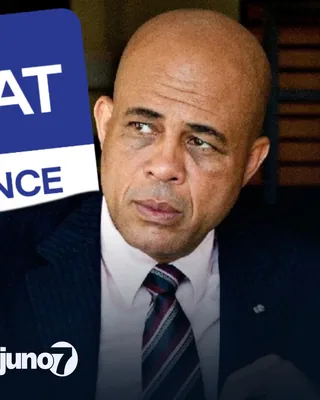
In September 2018, news headlines reported the rejection of a clearance request by former president Michel Martelly’s son, Olivier. Reading the January 28, 2016 order makes the meaning more precise: the court declared the file was not ready for judgment. [1] [2]
The file concerned Olivier’s role coordinating a commission supporting sports infrastructure and youth. He requested a review of his management in October 2013. An initial verification team attributed project funds to the Planning Ministry. His lawyer relied on that reading to argue that he had not managed public money. [2]
There was a dispute over the quality of verification and the commission’s responsibility. The Auditorat, the service presenting its conclusions to the court, sought a stronger examination. It pointed to the commission’s responsibilities and the resources the State was supposed to provide. [2]
The court set aside the verification team’s November 2013 document, explaining that it did not qualify as a financial audit or the other report types it listed. It then declared the matter unready for judgment before the financial chamber. [2]
That was neither a final finding of guilt nor a complete validation of Olivier’s management. This article examines that 2016 order; it does not certify the entire docket’s current status. The order does not establish that Michel Martelly took money from these operations.
For voters assessing a Martelly return, the concrete question is who preserves decision and spending records when a presidential commission influences public projects. Scrutiny must look beyond the person signing a check, while establishing each actor’s responsibility with evidence.